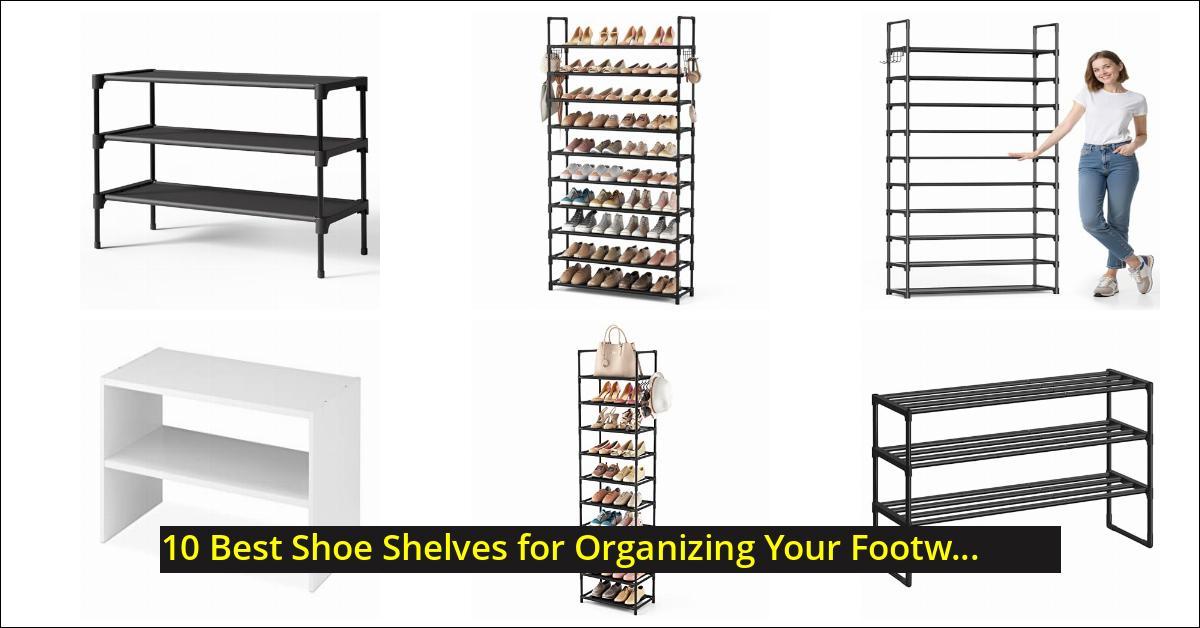
Stackable vs. Hanging: Choosing Your Perfect Closet Shoe Shelf
Tired of tripping over shoes or digging through a cluttered pile just to find a matching pair? You're not alone. Shoe organization is a universal challenge, and a well-chosen
shoe shelf for closet can be a game-changer. But with countless options available, how do you decide between the two most popular styles: stackable shelves and hanging organizers? Both offer unique advantages and cater to different needs, closet layouts, and shoe collections. Understanding their pros, cons, and ideal applications is key to creating a tidy, efficient, and stress-free closet.
The Advantages of Stackable Shoe Shelves
Stackable shoe shelves are a robust and versatile solution for maximizing floor space within your closet or even extending storage into other areas of your home. They are designed for durability and adaptability, making them a popular choice for many homeowners.
Robust Construction and Expandability
Many stackable shoe shelves, such as those made with chrome-plated steel and heavy-duty rods, are built to last. This sturdy construction ensures excellent support for your footwear, preventing sagging or collapse even under the weight of multiple pairs. Brands like Household Essentials offer 2-tier units that can hold 6-10 pairs and are specifically designed to stack onto a second unit, allowing you to create a customized shelving system as your shoe collection grows. The interlocking tabs provide added stability, ensuring your stack remains secure.
*
Durability: Materials like chrome-plated steel or strong non-woven fabric stretched over metal frames (like the Kitsure Shoe Rack) offer long-term reliability.
*
Full Foot Support: Flat shelves are particularly beneficial as they provide full support for the entire shoe, making them ideal for all sizes, from small flats to larger boots, which might not fit well on angled or standard horizontal racks.
*
Air Circulation: Open designs with rods or breathable non-woven materials often promote better air circulation, which can help prevent odors and keep shoes fresh.
*
Easy Assembly: Many stackable units are designed for quick and tool-free assembly, with some boasting a 3-minute setup time, getting your closet organized in no time.
Versatility Beyond the Closet
One of the significant benefits of stackable shoe shelves is their adaptability. While they excel as a
shoe shelf for closet organization, their sturdy design and often neutral aesthetics mean they can be seamlessly integrated into other rooms. You might find them useful as additional shelving in a:
* Bathroom for toiletries
* Laundry room for cleaning supplies
* Dorm room for books and essentials
* Entryway or mudroom for everyday footwear and bags
* Garage for tools or sporting equipment
This multi-purpose functionality adds tremendous value, making your investment work harder for you. Wider options, like the Whitmor Stackable Extra Wide 2-Shelf Organizer, can even accommodate multiple pairs side-by-side or larger items. For more ideas on how to utilize shoe storage throughout your home, explore our article on
Beyond the Closet: Versatile Shoe Storage for Every Room.
Unveiling Hanging Shoe Organizers
Hanging shoe organizers are the champions of vertical space, designed to make the most of your closet's hanging rod. They offer a fantastic solution for those with limited floor space or a desire to keep shoes off the ground.
Space-Saving and Accessible Design
These organizers typically consist of multiple fabric shelves, often lined with cardboard for stability, that hang from your closet rod using a strong Velcro closure or hooks. Their slim profile allows them to fit into narrow spaces where traditional shelves might not, freeing up precious floor real estate.
*
Maximizes Vertical Space: A 10-shelf non-woven organizer, for example, can provide nearly 50 inches of vertical storage, instantly adding capacity without consuming any floor space.
*
Instant Organization: Simply hang it up, and you have instant shelving for shoes, accessories, or even folded garments.
*
Visibility and Easy Access: Open shelves mean you can quickly see and grab the pair you need without rummaging.
*
Portability and Storage: Made from lightweight materials like 100% Polypropylene Nonwoven breathable material, these organizers often fold flat when not in use, making them incredibly easy to store or move.
Considerations for Hanging Organizers
While highly practical, hanging organizers do come with their own set of considerations:
*
Weight Capacity: While sturdy enough for most shoes, they might not be ideal for very heavy boots or an excessive number of items, as this could cause bowing or strain the closet rod. Look for models with cardboard-lined shelves to prevent sagging.
*
Potential for Sway: If not evenly loaded, they can sometimes sway, especially when accessing items, which might be a minor annoyance.
*
Rod Space: They require available hanging rod space, which might be at a premium in some closets. Consider how it will affect access to your hanging clothes.
Making the Right Choice: Factors to Consider
Deciding between a stackable
shoe shelf for closet and a hanging organizer boils down to evaluating your specific needs and the unique characteristics of your closet and shoe collection.
1.
Available Closet Space:
*
Floor Space is Gold? If your closet floor is cluttered or small, a hanging organizer is likely your best bet, utilizing often-underused vertical space.
*
Plenty of Floor Space? Stackable shelves can create a more permanent, organized "shoe wall" on your closet floor.
2.
Shoe Collection Size and Type:
*
Large/Heavy Shoes: For bulky boots, high heels, or a large number of shoes, sturdy stackable metal shelves offer superior support and durability.
*
Flats, Sandals, Lighter Shoes: Hanging organizers are excellent for lighter footwear, freeing up stackable shelves for heavier items.
*
Variety of Shoes: Consider cubby-style organizers for a truly customized fit for each pair, preventing shoes from getting crushed or disfigured. The concept of cubbies (like those in a shoe storage cabinet) can be applied to modular stackable units for a similar effect.
3.
Budget and Aesthetics:
*
Economical Solutions: Non-woven stackable shelves and hanging organizers are generally more budget-friendly.
*
Premium Look: Metal or wooden stackable shelves often offer a more polished, built-in aesthetic that can complement a more upscale closet design.
4.
Ease of Access and Maintenance:
*
Quick Grab-and-Go: Open hanging shelves offer immediate visibility.
*
Long-Term Storage/Less Frequent Use: Stackable shelves can be better for shoes you don't wear daily, providing robust, stable storage.
*
Cleaning: Smooth surfaces of metal shelves are often easier to wipe clean than fabric organizers.
5.
Versatility Beyond Shoes:
* Do you need your organizer to hold more than just shoes? Stackable units can accommodate small boxes, bags, or even clothing. Hanging organizers with cardboard-lined shelves can store hats, scarves, or small accessories, keeping everything within easy reach.
Beyond the Basics: Advanced Tips for Shoe Shelf Optimization
Once you've chosen your primary shoe storage solution, consider these additional tips to elevate your closet organization:
*
Mix and Match: Don't feel limited to just one type! Many perfectly organized closets utilize a combination of stackable shelves for everyday shoes on the floor and hanging organizers for seasonal footwear or delicate items.
*
Seasonal Rotation: Store off-season shoes in clear bins on higher shelves or under the bed. This keeps your active shoe collection manageable and easily accessible on your primary
shoe shelf for closet.
*
Maintenance Matters: Regularly dust or wipe down your shoe shelves. For fabric organizers, ensure shoes are clean before storing them to prevent dirt buildup. Good air circulation, especially with open-rod stackable shelves, can also keep shoes fresh.
*
Utilize Shoe Trees and Stuffers: For delicate leather shoes or boots, shoe trees or boot shapers help maintain their form, regardless of the shelf type.
*
Labeling: If you use bins or closed storage, labels can save you time when searching for specific pairs.
For a broader perspective on decluttering your footwear and making the most of your space, check out our guide on finding the
Best Shoe Shelves for Closets: Declutter Your Footwear.
In conclusion, both stackable and hanging shoe shelves offer excellent ways to conquer closet clutter. The ideal
shoe shelf for closet organization depends entirely on your specific circumstances. Evaluate your closet's dimensions, the volume and variety of your shoe collection, and your personal accessibility preferences. By weighing the durability, versatility, and space-saving attributes of each option, you can create a perfectly organized and functional footwear haven within your closet.